When mentioning alkalis, many people think of caustic soda (sodium hydroxide) for daily‑use cleaning. Yet within the strong‑alkali family exists another equally important member — potassium hydroxide. Commonly known as caustic potash, with the chemical formula KOH, it features extreme chemical activity and distinctive physical properties. It occupies a core position in high‑end industries and also quietly finds its way into our food and everyday commodities. This article offers a comprehensive introduction to this low‑profile yet versatile chemical substance.
I. Basic Understanding: What Is Potassium Hydroxide?
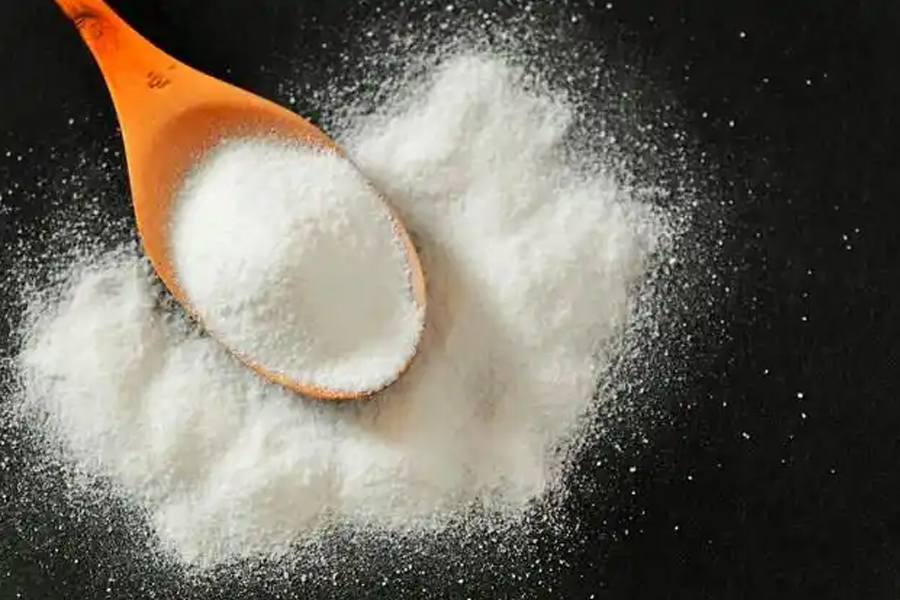
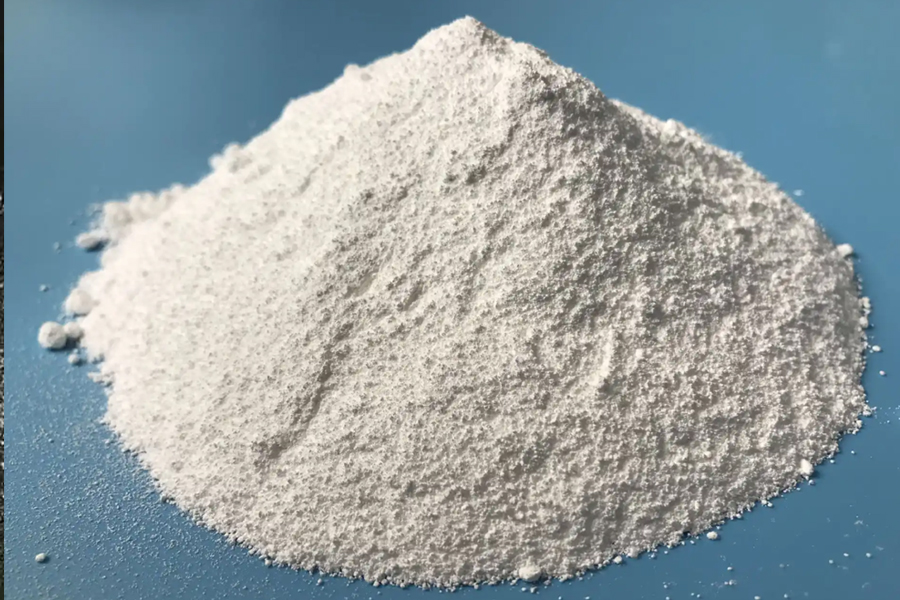
Potassium hydroxide is a typical strong‑alkaline inorganic compound, belonging to the alkali‑metal hydroxide family alongside sodium hydroxide. Commercially it appears as white flakes or crystalline powder, and is also available in block and granular forms. Its defining chemical trait is complete dissociation into hydroxide ions (\(\boldsymbol{OH^-}\)) in water. A 0.1 mol/L aqueous solution reaches pH 13.5, classifying it as a highly corrosive strong base, which underpins most of its properties and applications.
Industrially, potassium hydroxide is mainly produced via the electrolysis of aqueous potassium chloride solution. Processes including evaporative concentration, cooling and clarification yield solid products or solutions of varying concentrations. Its CAS number is 1310‑58‑3 and UN number 1813. Classified as a hazardous chemical, it demands special attention during handling and storage.
II. Core Properties: Physical and Chemical Characteristics
1. Physical Properties: Heat‑releasing Solubility and Hygroscopic Deliquescence
Potassium hydroxide exhibits notable physical traits. It dissolves readily in water and ethanol while being slightly soluble in ether. Dissolution releases substantial heat; temperature control is essential in industrial operations to prevent hazards. It is highly deliquescent: it rapidly absorbs moisture from humid air and further takes up carbon dioxide to form potassium carbonate, hence strict sealed storage is required.
Key parameters include density \(2.044\ \mathrm{g/cm^3}\), melting point \(360.4^\circ\mathrm{C}\), and boiling point \(1327^\circ\mathrm{C}\). It sublimes readily above its melting point, enabling deployment in numerous high‑temperature industrial workflows.
2. Chemical Properties: Strong Corrosiveness and High Reactivity
As a strong base, potassium hydroxide displays high chemical reactivity: First, it is highly corrosive and causes severe burns to skin, eyes and mucous membranes. It also corrodes materials such as fibers, glass and ceramics. Second, neutralization reactions: reacting with mineral acids such as hydrochloric acid and sulfuric acid releases considerable heat, generating corresponding potassium salts and water. This serves as the foundation for its use in wastewater treatment and chemical synthesis. Third, saponification: it reacts with oils and fats to produce potassium salts and alcohols, the core principle for soap‑making. In addition, it reacts with acidic gases (carbon dioxide, sulfur dioxide), selected metals (aluminum, zinc) and non‑metals (boron, silicon). It can also precipitate metal ions from aqueous solutions to form metal hydroxides.
III. Wide‑ranging Applications: From Industrial Core Processes to Daily‑life Scenarios
Potassium hydroxide is a true industrial workhorse deployed across energy, chemical, pharmaceutical, agricultural and food sectors. Many of its uses are little‑known to the general public.
1. Energy Sector: Supporting New‑energy Development
In lithium‑ion battery manufacturing, it is a key raw material for synthesizing electrolytes such as lithium hexafluorophosphate. It greatly improves electrolyte conductivity and stability to optimize battery performance. In alkaline fuel cells, aqueous potassium hydroxide serves as the electrolyte, providing an alkaline environment for efficient conversion of fuels including hydrogen and oxygen to advance fuel‑cell research. It also acts as an activator for producing coal‑based porous carbon for lithium‑sulfur batteries.
2. Chemical and Materials Industries: Unsung Contributor to High‑end Products
Within fine chemistry, it functions as a catalyst or neutralizer to modulate reaction conditions for manufacturing dye intermediates, antibiotics, vitamins and other goods. It is also essential for producing potassium‑based inorganic materials: potassium chloride (agricultural potash fertilizer), potassium carbonate (raw material for glass and ceramics), and aluminum hydroxide (flame retardant). In surfactant manufacturing, potassium alkylbenzene sulfonates derived from potassium hydroxide deliver rich foam and strong detergency for premium detergents and cosmetics. Moreover, it is an ingredient in developer and etchant solutions for display‑panel fabrication, and the most widely‑used alkaline wet‑electronic chemical in solar‑cell production.
3. Pharmaceutical and Agricultural Fields
In pharmaceuticals, it adjusts pH values during drug synthesis and is used to manufacture alkaline medicines such as antacids and antidiarrheals to guarantee drug purity and efficacy. In agriculture, it remediates strongly acidic soils with faster action than calcium hydroxide, supplies potassium to boost crop growth, and participates in synthesizing pesticide intermediates to improve pesticide stability.
4. Environmental Protection and Laboratory Work
For environmental governance, it neutralizes acidic wastewater generated by electroplating and chemical industries. It precipitates heavy‑metal ions such as lead and copper to remove heavy metals and mitigate water pollution. In laboratories, it is a standard strong‑base reagent for neutralizing acidic solutions, preparing insoluble hydroxides, and conducting organic hydrolysis reactions.
5. Food Industry: Invisible Food Additive
Lesser‑known to the public, potassium hydroxide is an approved food additive primarily for pH adjustment to stabilize food texture and properties. In cocoa products (chocolate, cocoa powder), it neutralizes acidic components to reduce bitterness and enhance flavor. In baked goods such as bread and biscuits, it modulates dough pH for softer texture. Small dosages added to Japanese‑style ramen improve noodle elasticity and toughness. In jams and preserved fruits, it balances sweet‑sour profiles, aids pectin dissolution and yields thicker consistency.
IV. Safety Reminders: Proper Handling and Emergency Response
Potassium hydroxide is highly corrosive and harmful if swallowed. Strict safety protocols must be followed for storage, transport and handling.
- Storage and Transportation: Store in cool, dry, well‑ventilated warehouses with temperature ≤ 35 ℃ and relative humidity ≤ 80 %. Packages must remain tightly sealed against moisture. Store separately from flammables and acids — never co‑store. Handle containers gently during transit to avoid breakage; vehicles shall be covered for rain protection.
- Emergency Measures:
- Skin contact: Immediately remove contaminated clothing and flush affected skin with large volumes of running water for no less than 15 minutes, then seek medical attention.
- Eye contact: Hold eyelids open and irrigate eyes with running water or normal saline before medical consultation.
- Inhalation: Remove victim promptly to fresh air, maintain unobstructed airway; administer oxygen or artificial respiration if needed and obtain medical help.
- Ingestion: Rinse mouth, give milk or egg whites and seek medical care.
- Spill response: Isolate contaminated area. Responders shall wear gas masks and chemical‑resistant protective suits. Collect solids with clean shovels into dry covered containers, neutralize with water before discharging to wastewater systems, or dilute with abundant water for disposal.
V. Conclusion: A Powerful Chemical Tool with Both Value and Risks
As a key member of the strong‑alkali family, potassium hydroxide delivers irreplaceable value across new‑energy, high‑end chemical, pharmaceutical‑agricultural and food‑processing sectors thanks to its high chemical activity. It is an unsung hero driving industrial advancement and improving quality of life. Nevertheless, its high corrosiveness and hazards demand thorough understanding and strict compliance with safety protocols. Only through scientific knowledge and standardized operation can its full potential be harnessed while safety risks are mitigated.