You may never have purchased sodium bisulfite directly, yet it can be found in preserved fruits you eat, fresh‑squeezed juices you drink, and fresh grapes you buy. Many people grow anxious at the mere mention of “food additive”, regarding it as some mysterious harmful substance. In reality, sodium bisulfite is far more commonplace than most assume. This article breaks down its nature, functional roles and safe‑usage rules, helping you view it rationally instead of fearing it blindly.
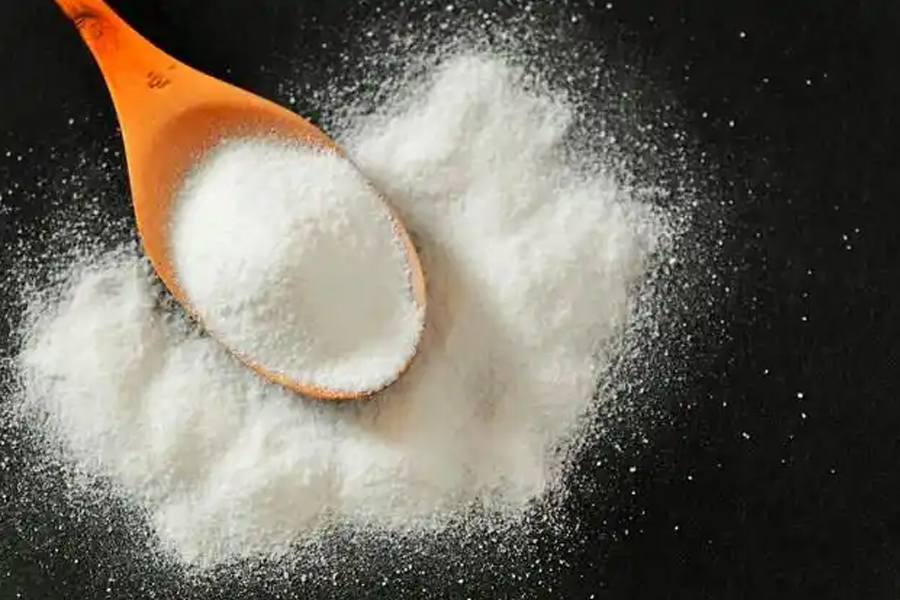
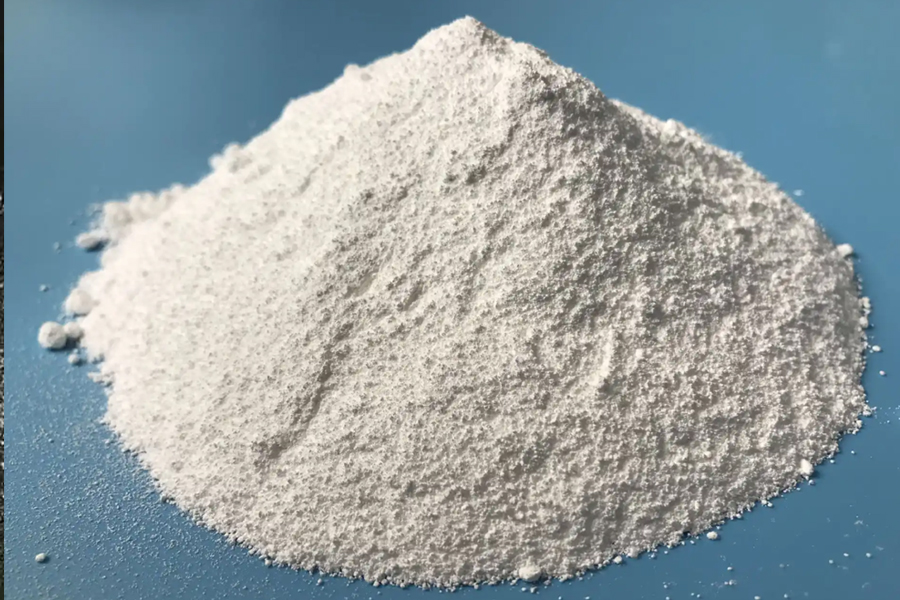
With the molecular formula \(\boldsymbol{NaHSO_3}\), sodium bisulfite appears as white or pale‑yellow crystalline powder. Highly soluble in water, it carries a faint sulfur‑like odor — this is its intrinsic property rather than a sign of deterioration. Chemically categorized as a sulfite, it is closely related to sodium metabisulfite and sodium sulfite. As an inorganic compound, it functions mainly through its reducibility and bleaching properties.
It serves diverse practical purposes thanks to two core attributes. First, its reducibility: it captures electrons from oxygen in the air and other oxidizing substances, restraining oxidative browning of food and curbing microbial reproduction. Second, its bleaching property: it binds with colored substances and disrupts pigment structures to retain or restore light‑colored appearances. Such features make it a versatile agent for production and daily‑life applications.
Having understood its chemical identity and key properties, let’s look at its practical application scenarios.
Food Processing: An Unsung Hero for Color Protection and Preservation
Have you ever wondered why pre‑cut apples in supermarkets stay non‑brown for half a day? Sodium bisulfite plays a key role here. Polyphenol oxidase in apples oxidizes phenolic substances into brown quinones. Sodium bisulfite inhibits enzyme activity and reduces already‑formed quinones, keeping apples pale‑yellow and crisp.
For preserved apricots, peach chips and other preserved fruits, its bleaching effect eliminates brown spots on surfaces, while suppressing mold growth to extend shelf life. It is also applied in wine brewing for antioxidation to prevent wine spoilage.
Agricultural Production: A Practical Agent for Fruit‑Vegetable Preservation and Disease Control
Beyond food processing, it acts as a preservation aid in agriculture. For harvested grapes, soaking or fumigation with 0.2%‑0.3% sodium bisulfite solution inhibits botrytis cinerea on fruit surfaces and prolongs shelf‑life by 3‑5 days. Treated fresh‑cut vegetables suffer less vitamin‑C loss and maintain crisp texture. Spraying citrus trees with its solution damages mycelium structures of sooty mold and offers disease prevention.
Industrial Sector: Versatile Applications from Papermaking to Water Treatment
Apart from food and agriculture, it has wide‑ranging industrial uses. In papermaking, it bleaches pulp by degrading lignin and pigments for whiter paper. In water treatment, it reduces residual chlorine left after chlorination into chloride ions and removes irritation risks for human bodies. In textile printing and dyeing, it works as a dechlorinating agent to eliminate residual chlorine on fabrics and avoid fabric discoloration.