


What Is Sodium Benzoate?
Release time: September 08, 2026 viewed: 143 times
Sodium benzoate is a widely used food preservative that inhibits the growth of microorganisms. It is commonly found in carbonated drinks, soy sauce, vinegar, and various pickled foods.
1. Basic Definition
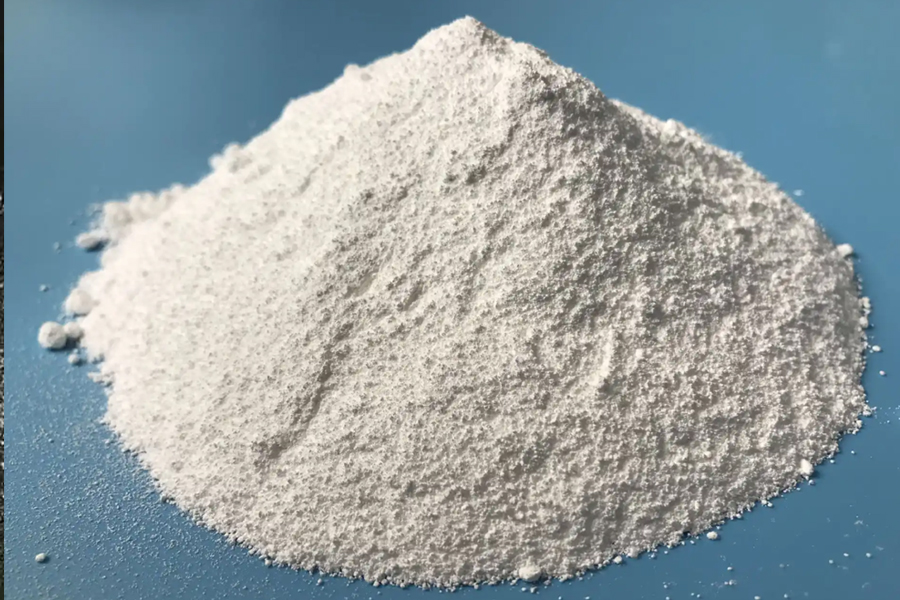
Sodium benzoate is the sodium salt of benzoic acid. It appears as white granules or crystalline powder, odorless or with a faint balsamic scent. Chemically, it is highly soluble in water, and its aqueous solution is neutral or slightly alkaline. As a food additive, it can be converted into active benzoic acid in an acidic environment, exerting bactericidal and bacteriostatic effects to prevent food spoilage and extend the shelf life of food products.
2. Mechanism of Action
After entering microbial cells, sodium benzoate acidifies the intracellular alkaline buffer system and inhibits the activity of cellular respiratory enzymes, particularly blocking the condensation reaction of acetyl-CoA. This process disrupts the normal metabolic activities of microorganisms, restraining their reproduction and even causing their death. With a significant inhibitory effect on molds, yeasts and certain bacteria, it has become the preferred additive for the preservation of acidic foods.
3. Common Food Sources
Sodium benzoate is extensively added to a variety of processed foods in daily life. Products with relatively high contents include carbonated beverages such as soda and fruit juice, as well as condiments like soy sauce, vinegar and sauces. It is also commonly contained in jams, preserved fruits, pickled vegetables such as kimchi, and fillings of some pre-packaged pastries. Consumers can identify its presence by checking the ingredient lists of food products.
4. Safety Limits
Food safety standards worldwide have formulated strict dosage regulations for sodium benzoate. When consumed within standard doses, it can be metabolized by the human liver, where it binds with glycine to form hippuric acid and is eventually excreted through urine without accumulating in the body. Only long-term excessive intake that exceeds the body’s metabolic capacity may increase the burden on the liver or cause mild gastrointestinal discomfort.
5. Precautions
Although sodium benzoate is a legal and compliant food additive, certain groups of people need to take precautions. Foods rich in vitamin C that contain sodium benzoate may produce trace amounts of benzene under specific conditions, so modern food production processes try to avoid the direct mixing of these two ingredients. People sensitive to preservatives and infants are advised to reduce consumption of processed foods containing such additives and prioritize fresh, natural ingredients.
In daily diets, people are recommended to eat more fresh fruits and vegetables and reduce the intake of deeply processed foods to lower the risk of preservative accumulation. It is advisable to develop the habit of checking ingredient lists when buying pre-packaged foods to understand food compositions. Maintaining a balanced diet and adequate water intake can boost metabolism, help the body excrete metabolites in a timely manner and protect digestive health. Those with specific health conditions should consult professional nutritionists for targeted guidance.

Recent Posts

In-depth Layout in Fine Chemicals and New Materials to Empower Industrial Development
2026-09-08
Is Sodium Bisulfite in Preserved Fruits and Fresh‑Juice Drinks Really Safe?
2026-09-08

Nearly 100% Hydrogen Sulfide Conversion: China Achieves New Breakthrough in Clean Hydrogen Sulfide Treatment Technology
2026-09-08
What Is Sodium Benzoate?
2026-09-08

Fine Chemical Technology: The "Chemistry Magician" Hidden in Daily Life
2026-09-08